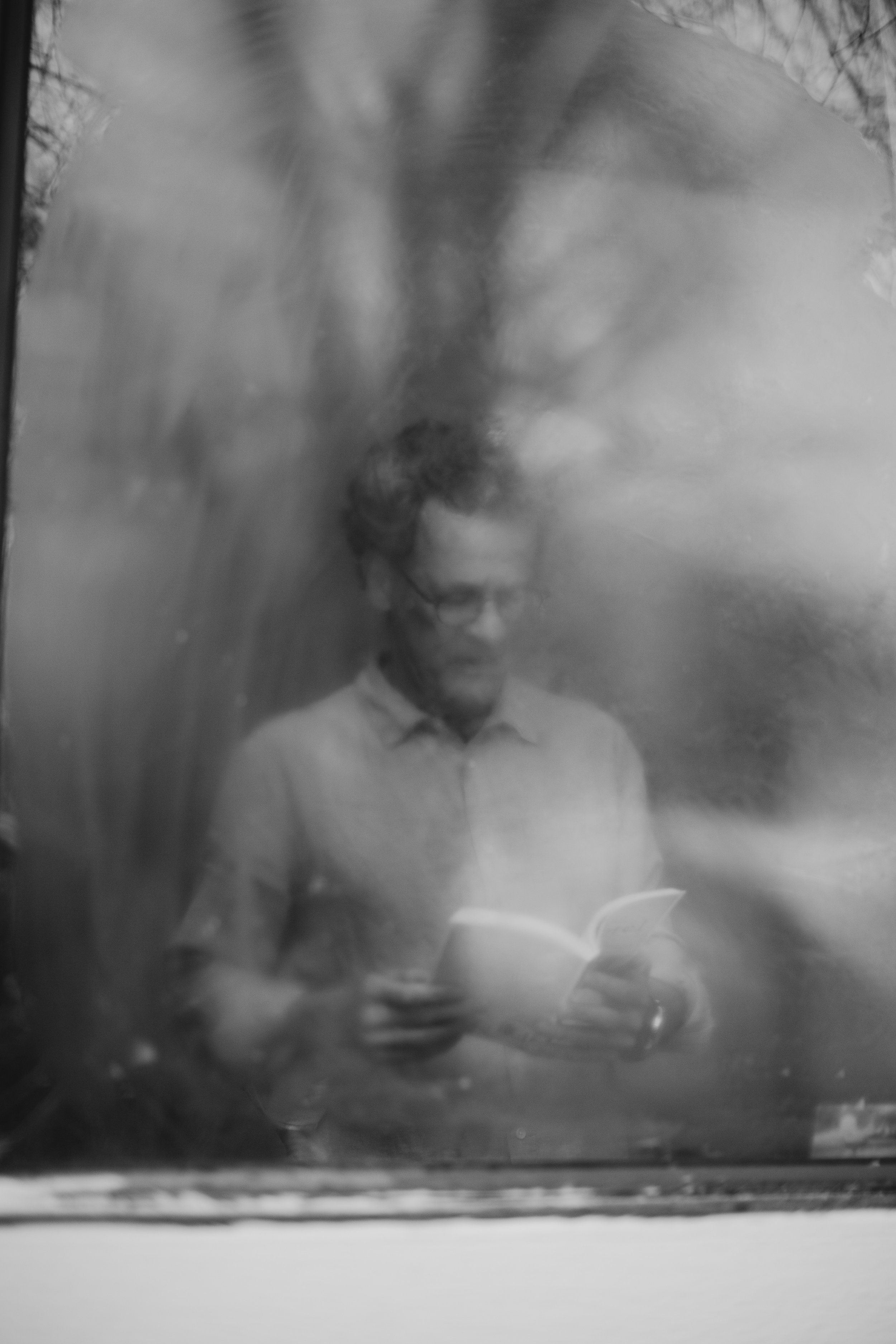
01
It’s Life of Pi, no The
The absence of an article was a deliberate choice on my part. Life of Pi is about the subjectivity of human perception, the freedom we have in how we read our existence. A definite article would imply a limit to that choice, that Pi had only one possible life, The Life of Pi, while an indefinite article would have injected a degree of randomness, that there was This Life of Pi, but there could have been That Life of Pi, and here I was presenting merely a single slice of that pie, A Life of Pi. But the nature of a true choice is that it is not random but actually chosen. Finally I decided to forgo any article.
It’s just Life of Pi.
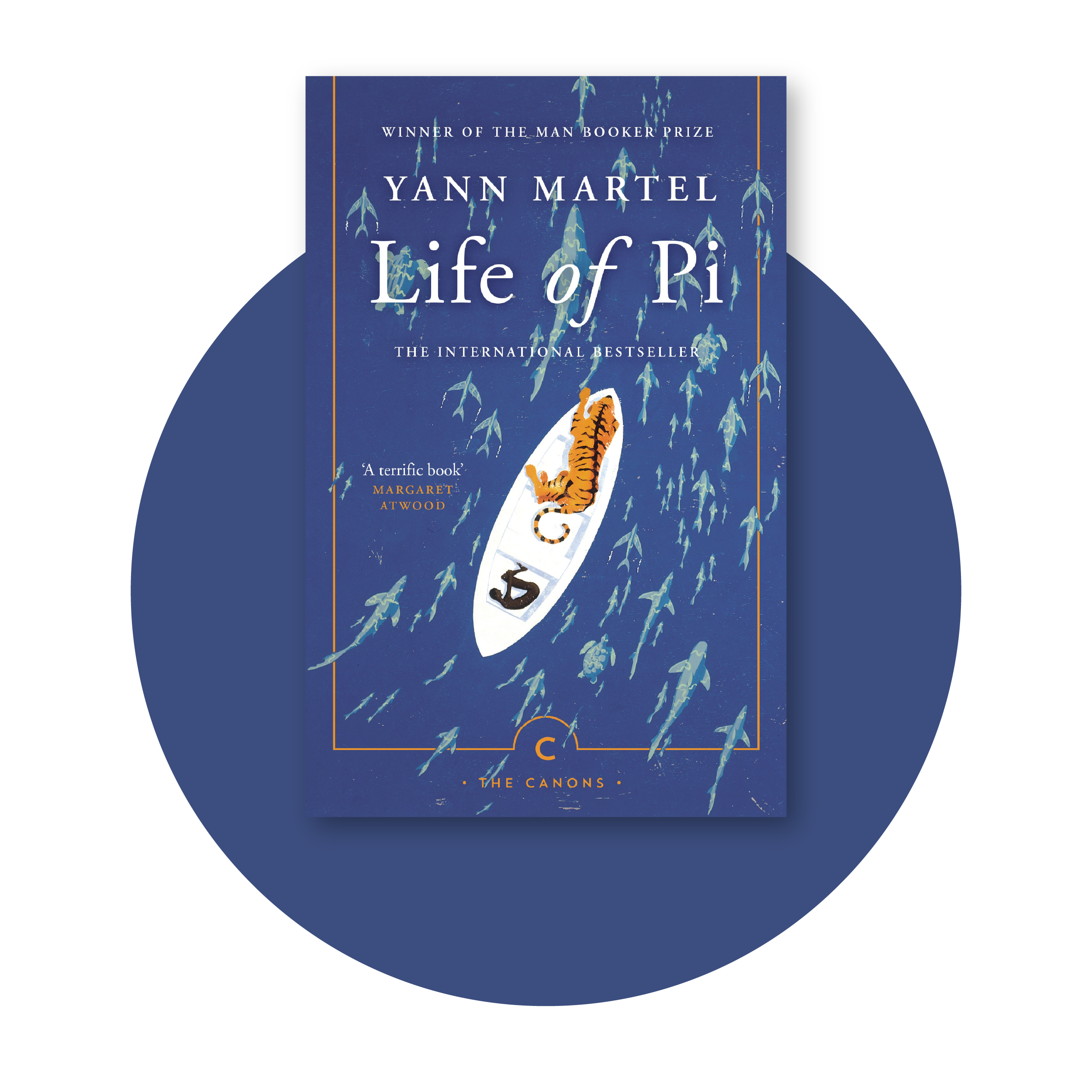
02
“Aukitz”
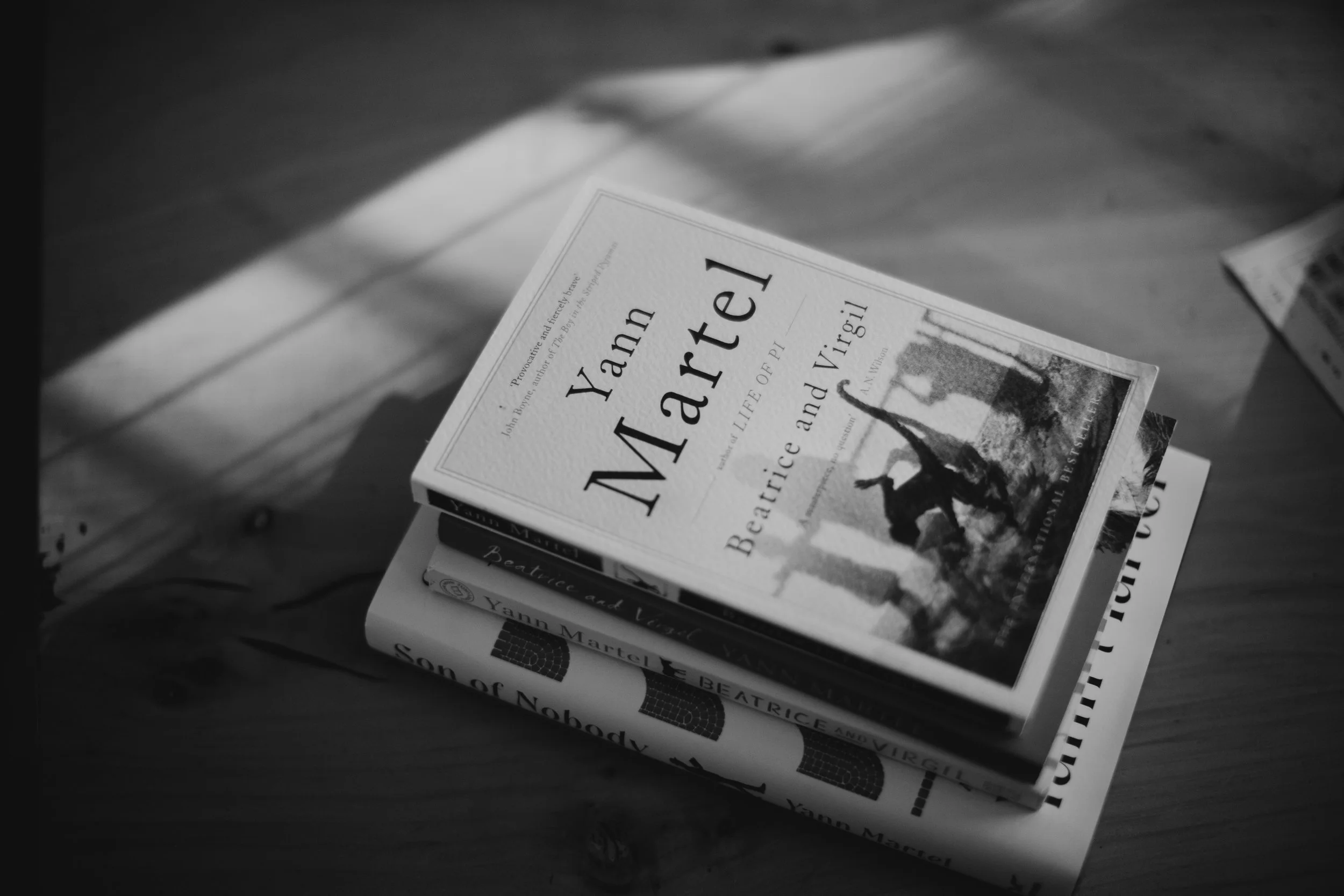

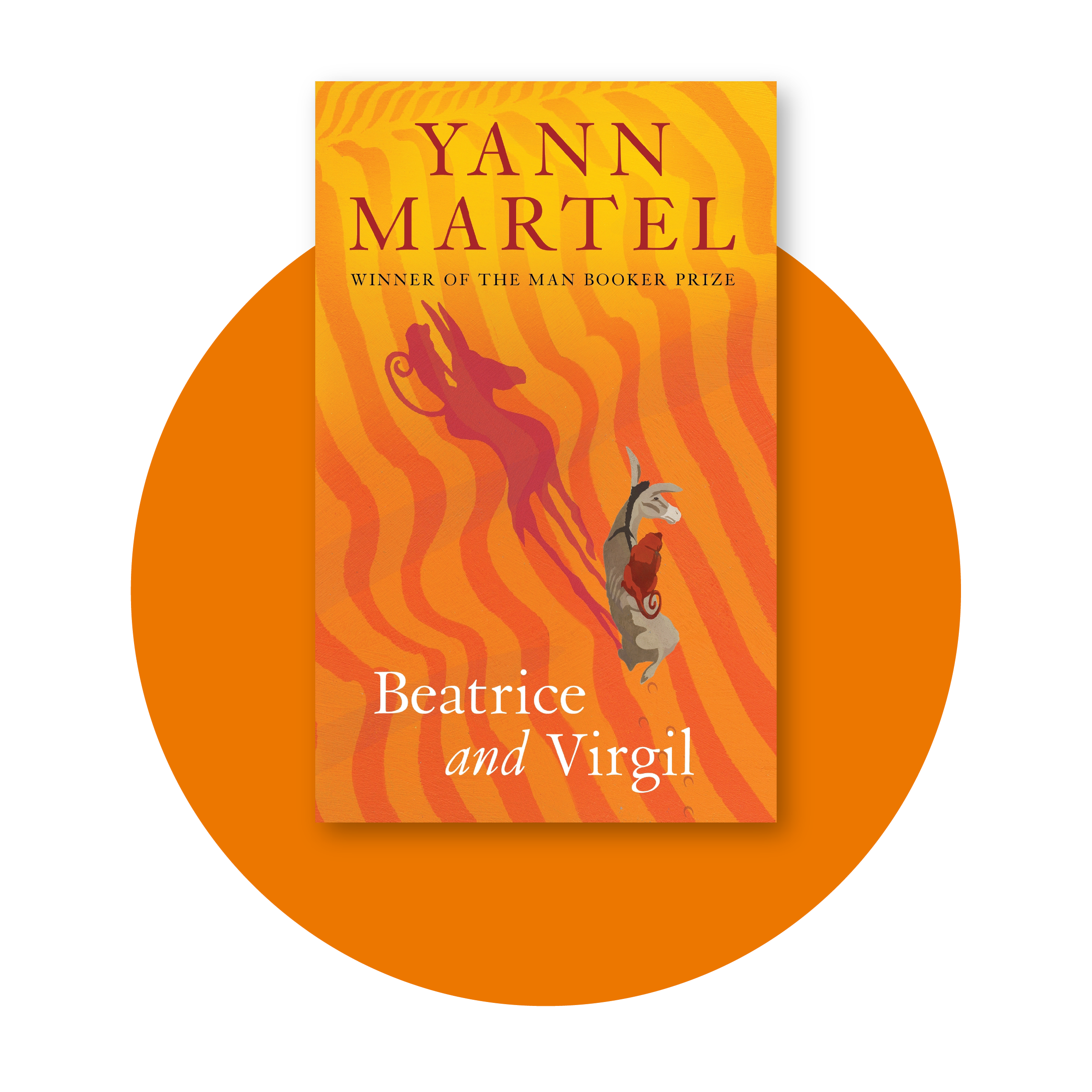
This invented word is from my novel Beatrice and Virgil. In the story, Beatrice and Virgil, respectively a donkey and a red howler monkey, discuss the horrific events they are currently living through.
They call these events the Horrors (which I got from Conrad’s Heart of Darkness, Kurtz's twice-repeated gasp). If something is forgotten, then it can’t be understood, so it must be remembered to start with. But what do we remember exactly? And how? Beatrice and Virgil decide on a catalogue of the varied ways in which they might remember the Horrors, if they survive. They call this list the Sewing Kit.
Aukitz is one of the items in the Sewing Kit. It is the word Auschwitz with the middle consonants taken out and replaced by the letter K, for Kafka. This combination evokes the name of a historical site of unbounded evil and a writer who examined the nightmare workings of bureaucracies that have gone terribly wrong. Beatrice and Virgil decide this word might be a way for writers to signal that their work is aware of the Horrors, which is not to say that their work must be about the Horrors, but simply that is spiritually aware of the Horrors, that it was created with the knowledge that the Horrors took place. This idea is a counter to Adornor’s famous (and silly) pronouncement, “To write poetry after Auschwitz is a barbarity.” It is the contrary that is true.
Auschwitz represents an unrivalled breach in civilization, in civilized behaviour, and it requires every and any kind of examination, including, but not limited to, historical analysis. That means the writing of poetry, of plays, of novels, of jokes, of children’s stories, in addition to the making of paintings and visual art, the composing of music, the filming of movies, and so on, every kind of artistic expression, using every tool of art, including every degree of irony. Anything that is about the Horrors keeps the Horrors current, and that is how we understand the past, by mulling over it, by looking at it again and again in ever changing ways. From the soil of history must bloom the growth of representation.
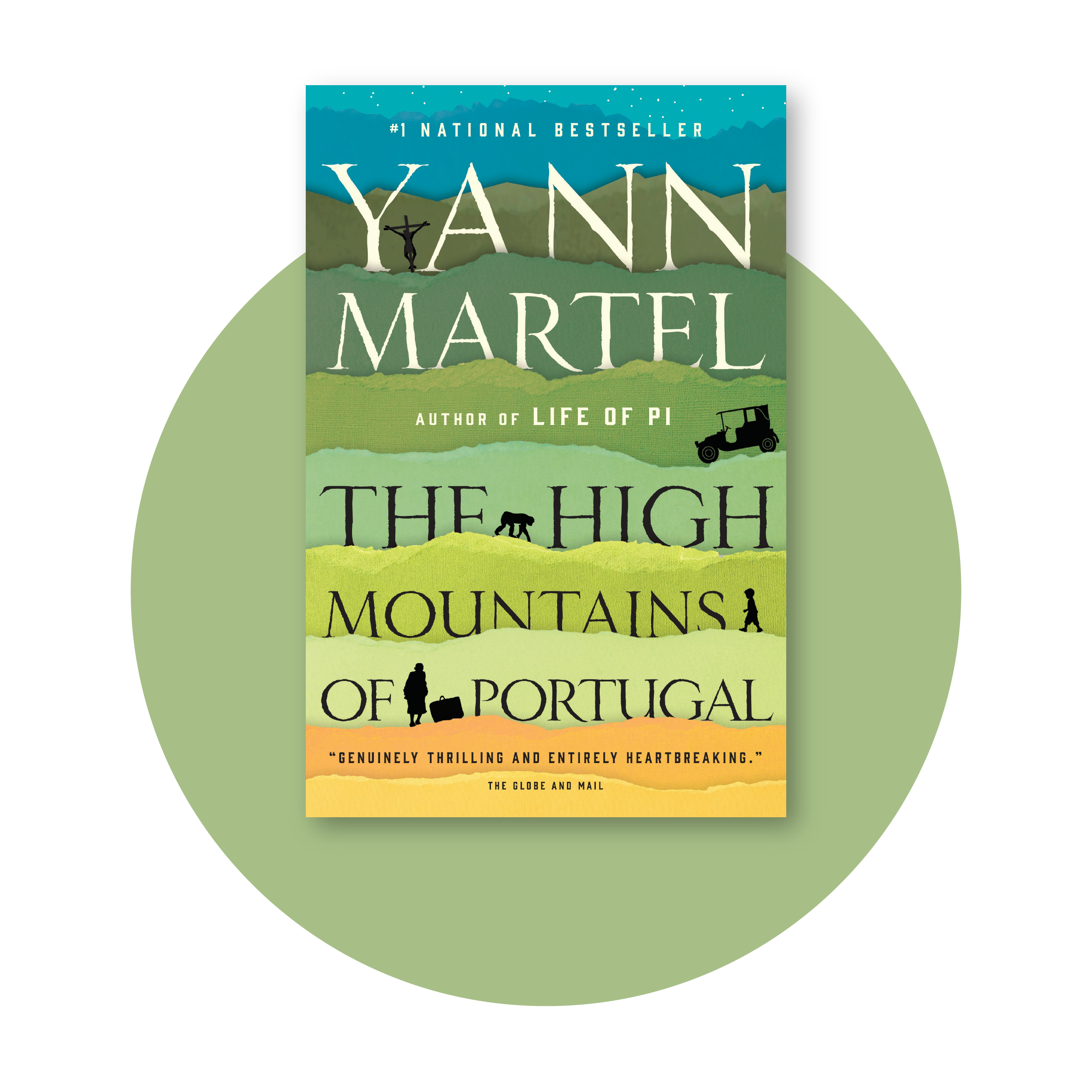
The word Aukitz appears, and will continue to appear, in my books since Beatrice and Virgil. In The High Mountains of Portugal, in the American hardcover edition, the word is on the copyright page, on the left side, printed vertically.
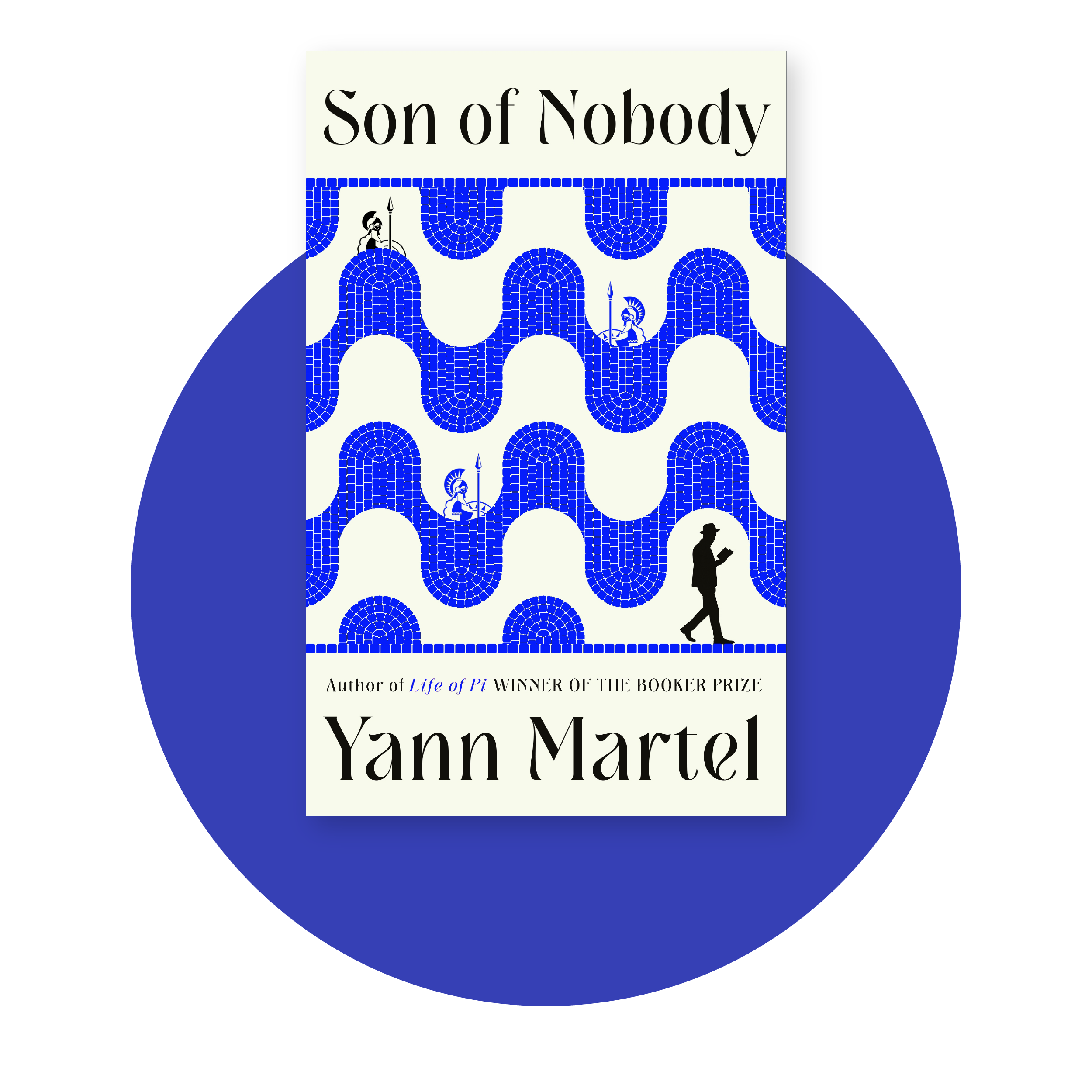
In Son of Nobody, its placement is more prominent: on the page usually devoted to dedications.
The intent is not political, just humanitarian.
03
How I Write
Sometimes I find the most interesting thing a writer can say about his or her work—whose interpretation is best left to the reader—is how the work came about, the process of creation. Because we are all creative, each in our own way, whether in preparing a meal, tending a garden, deciding what to wear, or writing a novel. In seeing how someone else does, we learn how we might do.
First off, most importantly, I’ll say that I have no idea what I’m doing. I have no rules, no check boxes, no sense of narrative diagnosis or prognosis, no template, no model, no training, nothing. The only thing I can affirm is that I like words. Spoken words are interesting, of course—I’m happy to chat—but unless I’m talking about my own words, my books, I have no great facility for oral talk. I stumble, I get lost, I forget what I was saying, all of it without the grace of any wit.
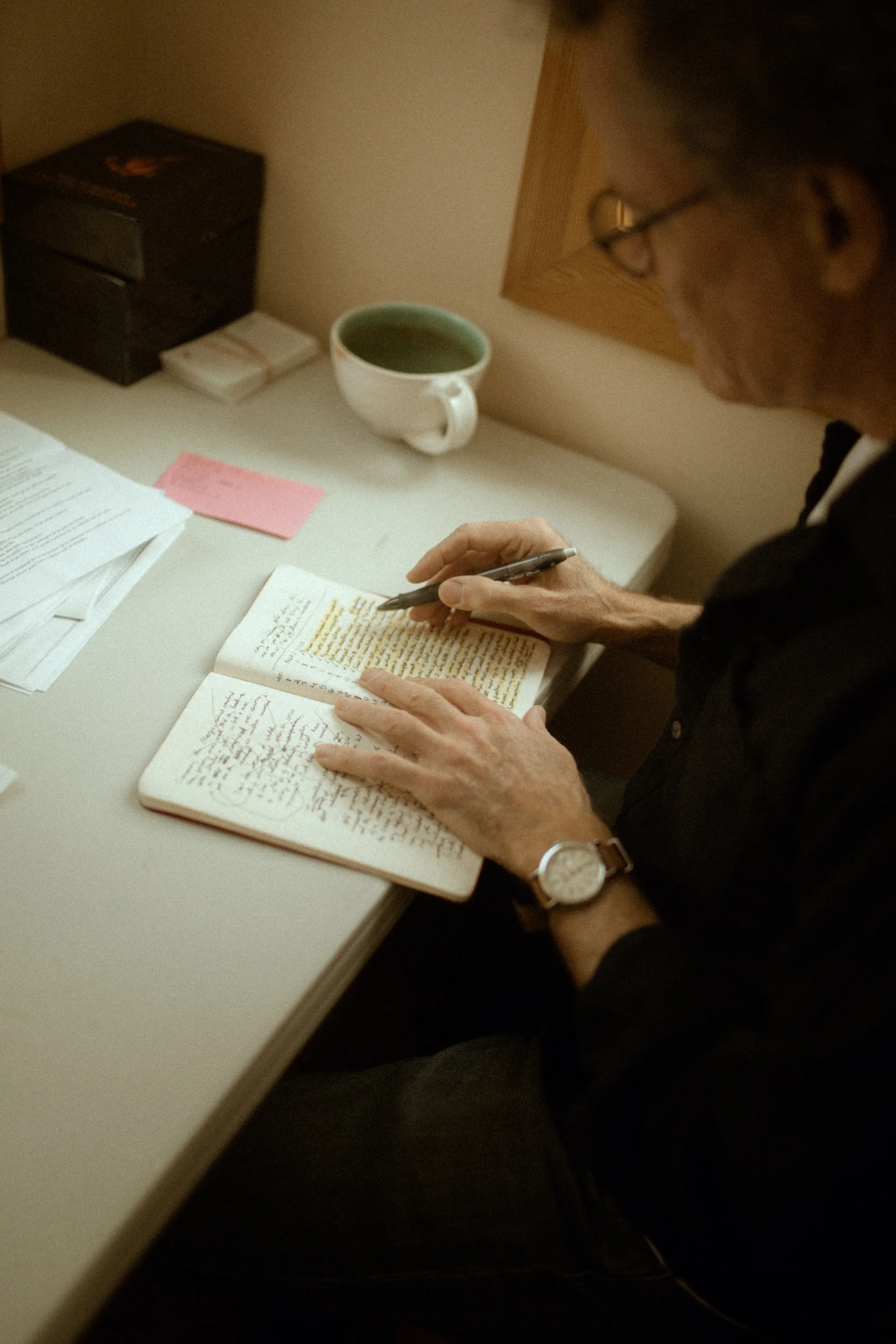
It’s written words that draw me, the way they lie on a page, divided up by spaces, arranged in sentences and paragraphs. I have a reasonable vocabulary (but I still regularly mix up discrete and discreet and I’m not conversant in the technical language of creative writing; just the other day I had to look up, again, what metonymy means).
I pretty well know when to use who and whom. I always correct my children when one of them starts with, “Me and Julian/Scarlett/Max/Alec were…” as well as when they mix up “less” and “fewer”, just as I always remind them that “anyways” isn’t standard English—but that’s the extent of my pedantry, all I can see when I lift the hood to look at the engine of the language.
Otherwise, the word grammar seems to me to be a term that mostly applies to foreign languages. French and German have grammar, for example, and their speakers spend arduous years learning it. Perhaps English did too, once, during the Victorians, but then came the Industrial Revolution and now English grammar lies buried with the dodo birds of Mauritius. All that remains of it is syntax. English grammar is reducible to syntax.
So just that: words. Like a painter, Yves Klein, for example, might say that he likes the colour blue, and you see blue in all his art, so I like words and you see words in all my art. And from that, from reading words on the page and liking it, I became a writer. A story, to me, is a functioning assemblage of words such that life arises, just as a warren is a functioning assemblage of tunnels such that rabbits can live. How I get to that assemblage is a mystery involving fumbles and recoveries, visions and revisions, light and delight.
Each story I’ve written has started not with a character or a setting, but with a premise, that is, a set of circumstances from which something must ensue. It can’t be any premise. An anecdote doesn’t go far and has limited resonance, while a story is a great gong with a hundred legs, to create an incongruous image. Nor is it a question of simple plot.
While plot is important to any story, too much of a concern for plot can result in a story that pulls the reader along but goes nowhere. Plot is like a locomotive; you want it, you need it, but you must also have rails, a map, a reason to be on the journey, a destination that is worth it. This premise, then, must be rich with promise, a balancing act of allure and reward, a generator of questions with answers that only generate more questions. The premise must be a source of enduring wonder.
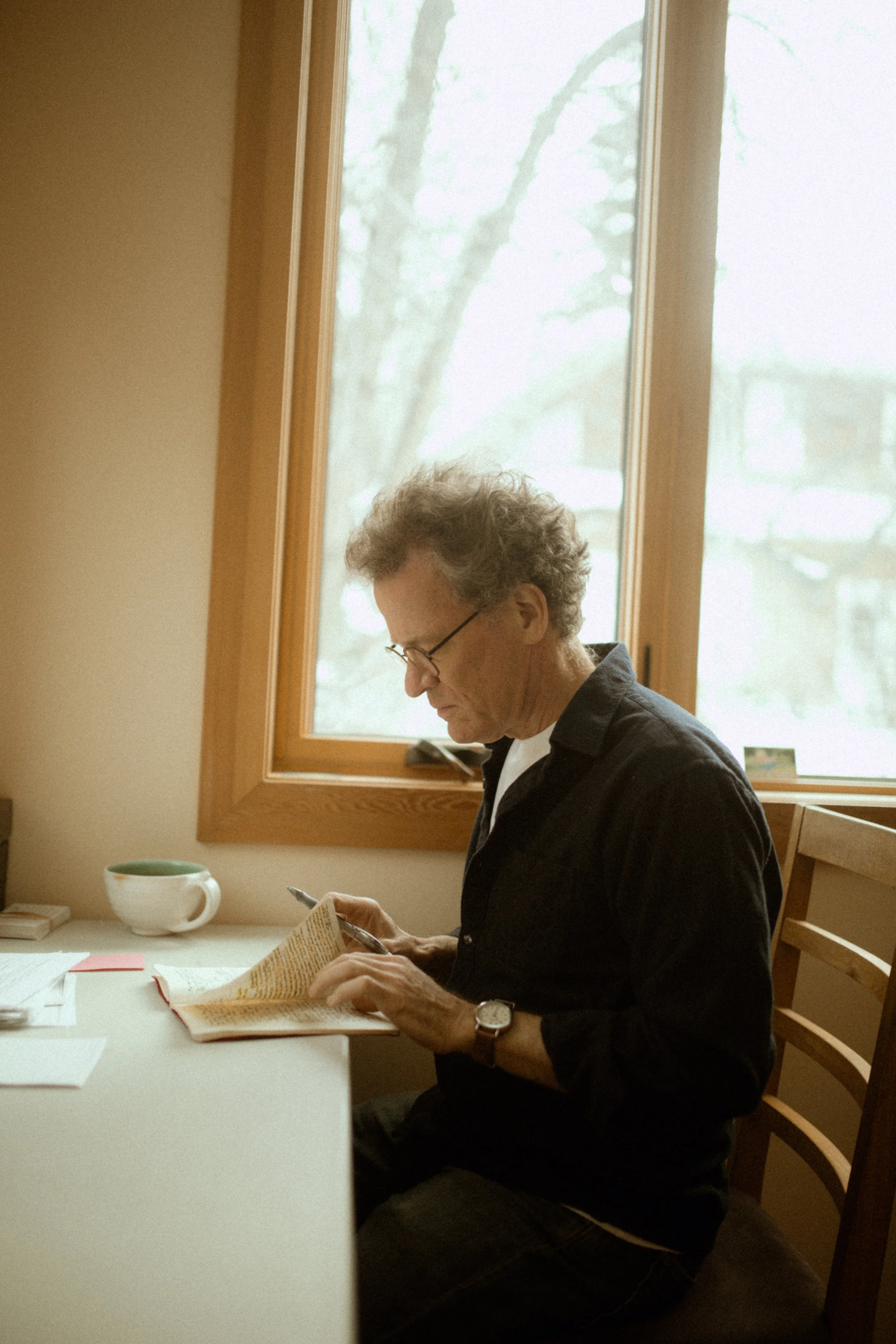
Just as a goldminer is excited to find a rich streak of gold, just so I am terribly excited when I think of a good premise. That’s the nature of a writer, the first step: a sense of intoxicating excitement when a good idea enters his or her head.
Then I get to work. This involves research. My research is the soil in which I plant my good idea. Soon, the germ starts to bloom as research leads to new ideas, new ideas lead to new avenues of research, which give me more ideas, and so on. This research involves reading but also travelling. For Life of Pi, I travelled to India. For Beatrice and Virgil, Germany and Poland. For The High Mountains of Portugal, Portugal. For my latest novel, Son of Nobody, Greece and Turkey. In each case, I sought a confirmation between what I read and what I saw with my eyes.
As I do research, I take notes, either typed directly on my laptop or scribbled in a notebook if I’m in the field. These notes are anything and everything: ideas crudely expressed; single words that I want to use; facts that will support my fiction, the kinds of turtles that swim in the Pacific, for example, or the nasty details of the Nuremberg Laws that further and further restricted the lives of Jews in Nazi Germany; or, best of all, scenes that I race to get down unfiltered while the inspiration is hot in my mind. Some entries are as short as a single line, others go on for several pages. I keep going in this way until I feel that I have enough, that this will do. For Life of Pi, I ended up with a file of well over three hundred pages.
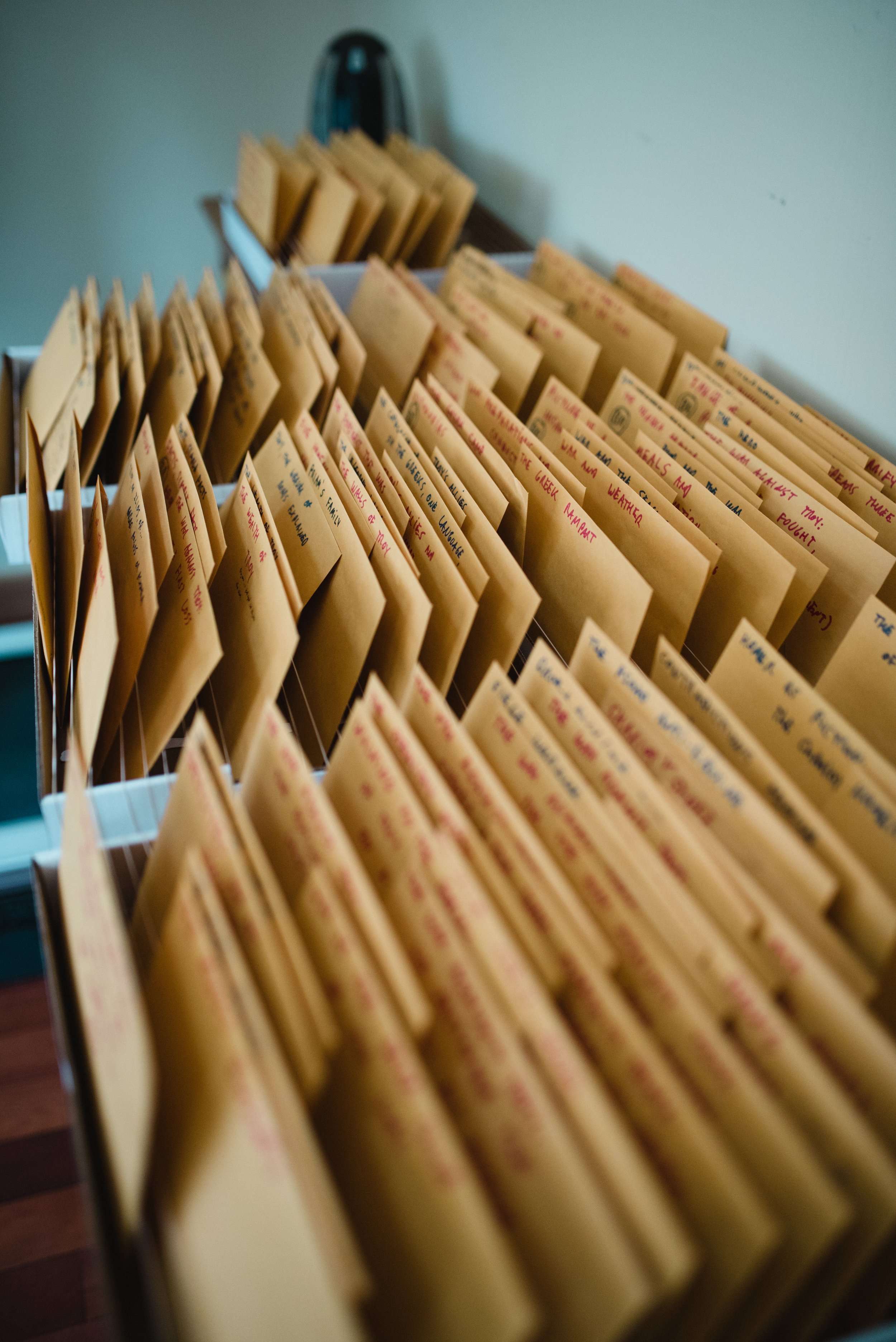
To make sense of this hodgepodge, I print it up and then cut it with scissors into its individual components. These I then place into X” by Y” manilla envelopes, placing together elements that will likely go in the same scene. I label the outside of each envelope, in the top left horizontal corner, so that I have an idea of what’s inside.
There, I have the rudiments of my story, dozens and dozens of envelopes that are like the bones of a skeleton, supports that are invisible but vital. I now start to place the envelopes in chronological order. Some have an obvious place. For example, the first envelope for Life of Pi was sensibly labeled Author’s Note. One envelope for Son of Nobody was called Abstract and into it went all the ideas I had for how Harlow Donne, a PhD student, would summarize his research into a lost Trojan War tradition. At this stage I’m starting to think of the shape the narrative will take, and this is determined by what happens when. Sometimes, the placement of an envelope is obvious. At other times, it is not. When Pi encounters a whale in the Pacific, for example, should that be before or after he sees a cargo ship that sails by without noticing him?
To help me in establishing the right order of the envelopes, I lay them on the floor, and this is where my system pleases me most, because spread out like that across a floor, I can not only think about my novel, but see it. The expression of my story is now external, like sketches for a painting. I can hover over it, moving through time and space with just a glance. I have in my hand the handle of a broom from which I’ve removed the head, replacing it with a sponge covered with a rubber glove that is held in place with a rubber band. The glove’s friction allows me to move envelopes around without having to bend down. This tool is a paint brush and I go about marking the canvas before me with outlines. As they slide across the wooden floor, the envelopes make a slight swishing sound, which is satisfying. In my mind, that’s the sound of creativity at work.
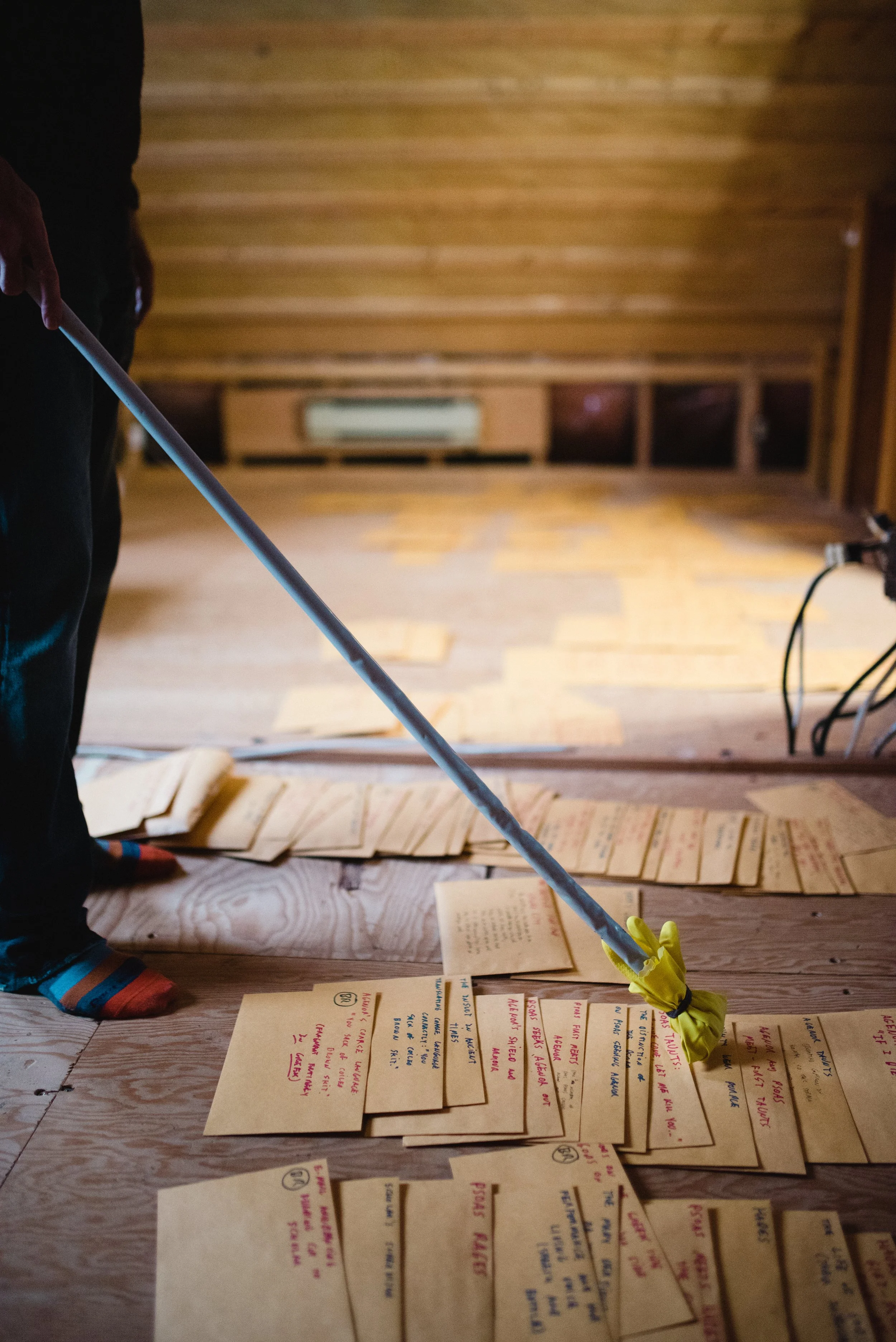
An order starts to take shape. This shape is always provisional, never fixed. An envelope can always change position (just as an item in an envelope may be moved to a different envelope). There comes a day when it seems to me that the warren is working. All the tunnels are connected, there are chambers in which the rabbits can eat and sleep, there are entrances and exits, there are escape routes.
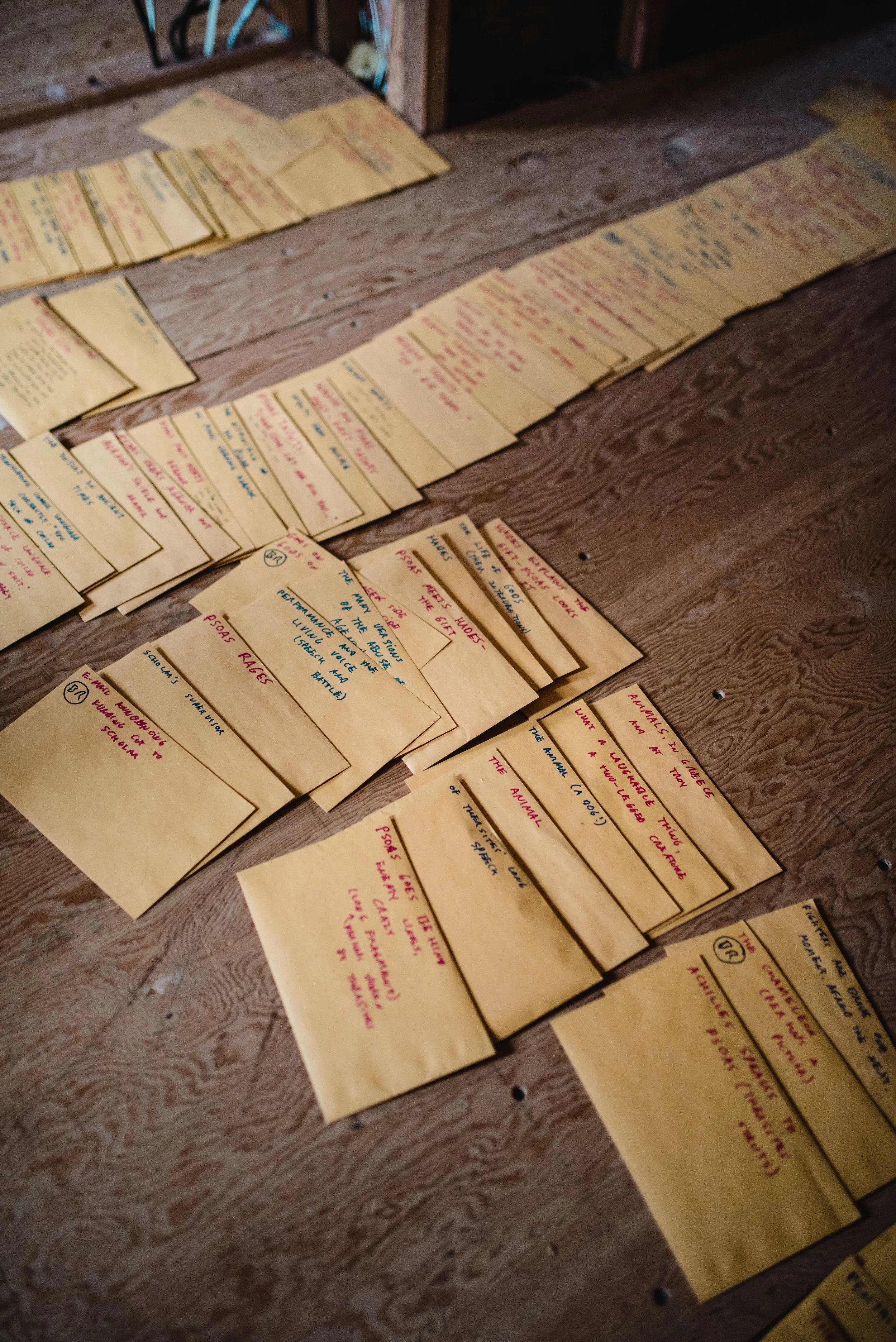
Now I can start. I take the first envelope and spread its contents onto the table next to my computer. Some snippets are wisps, single lines that slide out of their envelope scrunched up; I carefully flatten them out. Others are quite long, scenes that I’ve taped together so that they are a single column of text several pages long. Together, these are my starting points. I look at them, reading them over, and then I start writing.
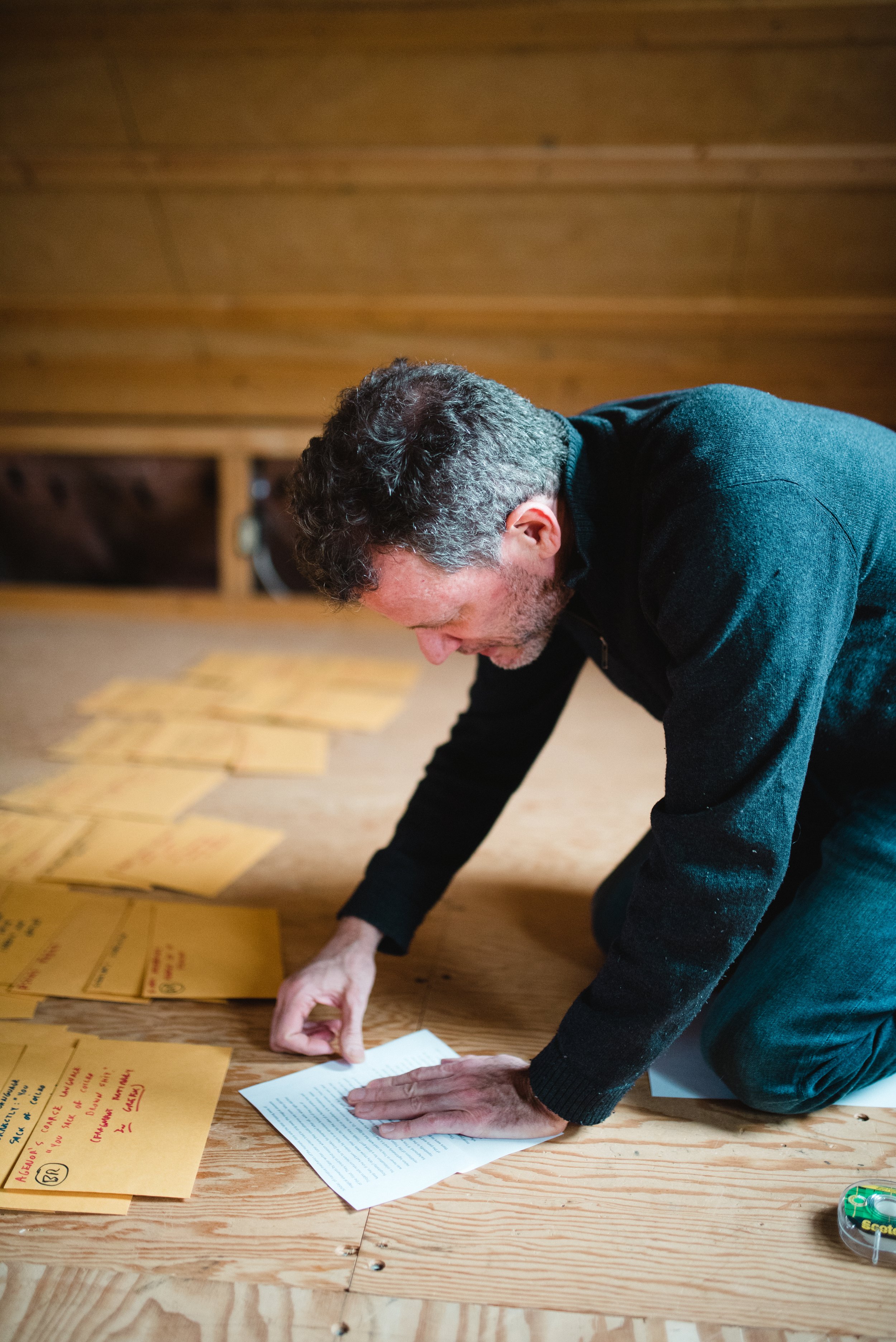
An extended scene is usually my starting point, with the shorter snippets fitting before it, or after it, or somewhere in it. Nothing is cut and pasted from a file on my computer. Instead I type from scratch, starting to edit, to reshape, the rough draft on the table into something already a little smoother on the screen. I add to what is in the snippets, I flesh out, imagine anew, write and rewrite. Some elements slide into place perfectly. Sometimes I’ve written out an idea more than once; I look at the variations, then choose one.
Snippets that have served their purpose, I overwrite with this symbol. I keep these snippets, in case I want to revisit them.
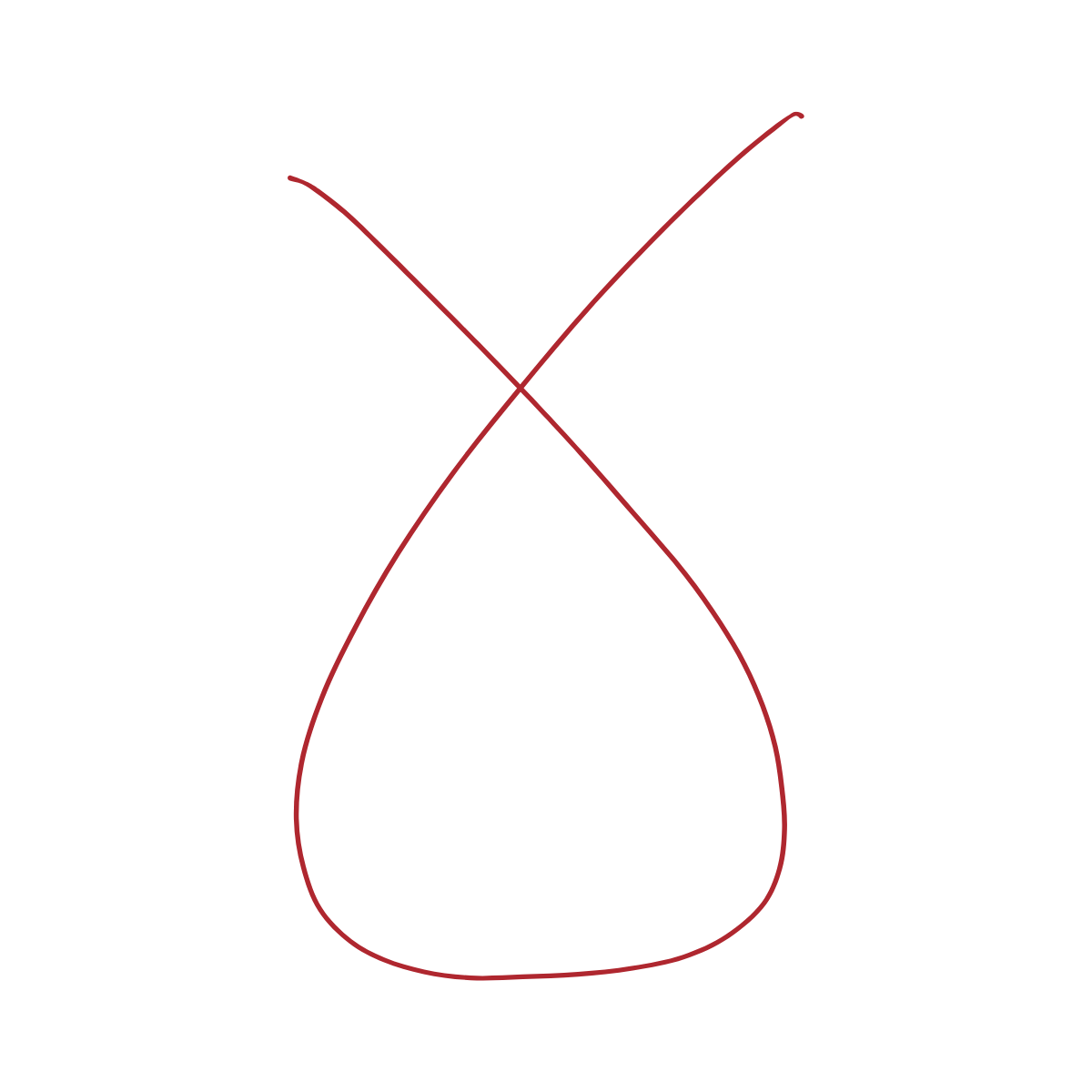
The snippets that are dead-ends, if I don’t throw them out, I mark like this.

Once I’ve finished going through one envelope, I mark it with the loopy red symbol and move on to the next. Sometimes an envelope will represent one chapter, but some extended scenes—the island in Life of Pi, for example—will require several. This process of opening envelopes, scattering their contents on a table, examining them minutely, then returning them to the envelope goes on for weeks and months. At the end of it, once I’m done with the last envelope, I have a first draft on my computer and a whole pile of expended manilla envelopes.
Now I move from the analogue to the digital and the novel is finished, further months of writing and rewriting, entirely on the computer.
04
What’s Next?
A couple years ago I was in San Cristobal de las Casas, in Mexico, on a writing fellowship and my family had just left. Son of Nobody was in the hands of an editor and she wouldn't get back to me for several weeks, she told me. There I was, with time on my hands and nothing to do. I thought I'd go for walks through the town, soak in the sunshine, gaze at buildings and hills, read, and other such leisure activities that one presumably longs to do once one's time is finally "free". Instead, my mother came to my mind. She's in her mid-eighties and has been afflicted with Alzheimer's for a number of years. A woman who was once a strong, smart, vibrant adult, a highly-lauded civil servant and a world-traveller with my father, is now a doddering shell with a vacant, slightly wild-eyed stare and a memory loss so severe that it's not only her past that is mostly gone but nearly her very identity.
This was nothing new to me. I've lived with my mother’s condition for a number of years. But there, in San Cristobal, there was a creative click in my mind. The writer in me, the muse, awoke—and I started writing. I had no plan, no envelopes, no overall scheme. The idea of the loss of memory, the disruption of continuity, the fracturing of storyline was my starting point. This was no memoir that was coming out of me; I had no interest in that. Rather, I was riffing, I was improvising, I was responding artistically to my mother's loss.
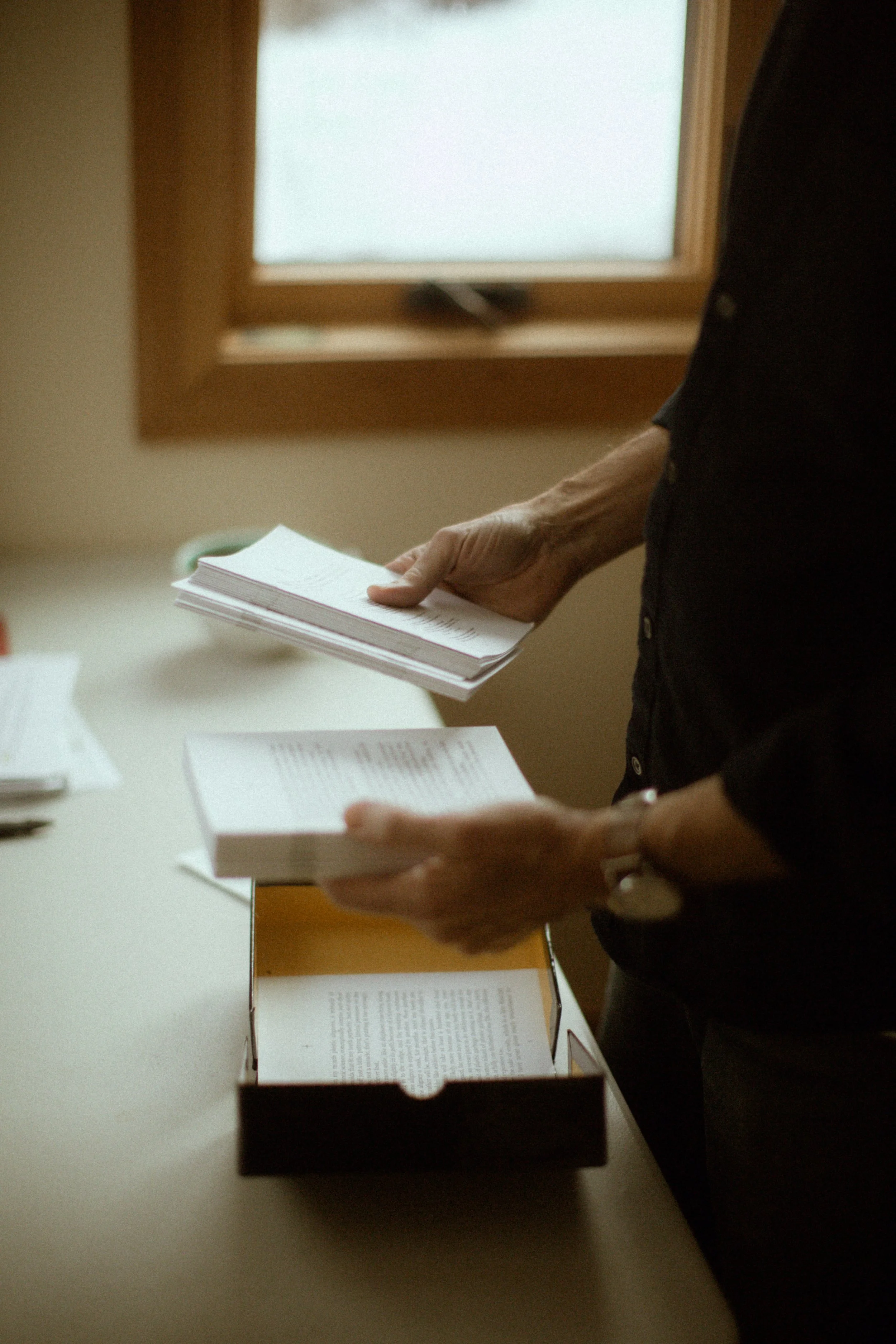
I wrote constantly that week, and then for another five. In six weeks, I had a first draft. I've never written anything so quickly, so breathlessly. You see the result in the photos. It’s a novel. Why is it in a box? Because the chapters—fifty-two in all, same as the number of cards in a deck, same as the number of weeks in a year—are unbound, untethered, unyoked. It's a book you can read in any order. You can shuffle the chapters and deal yourself any number of narrative hands. Within that mix, there are stories, recollections, asides, cross-references, well-placed non-sequiturs, resumed lost threads. It's an exploration of memory, memory loss, loss.
It's called The Forgiven and the Forgotten. It's what I'll be working on next, once Son of Nobody has made its way into the world.